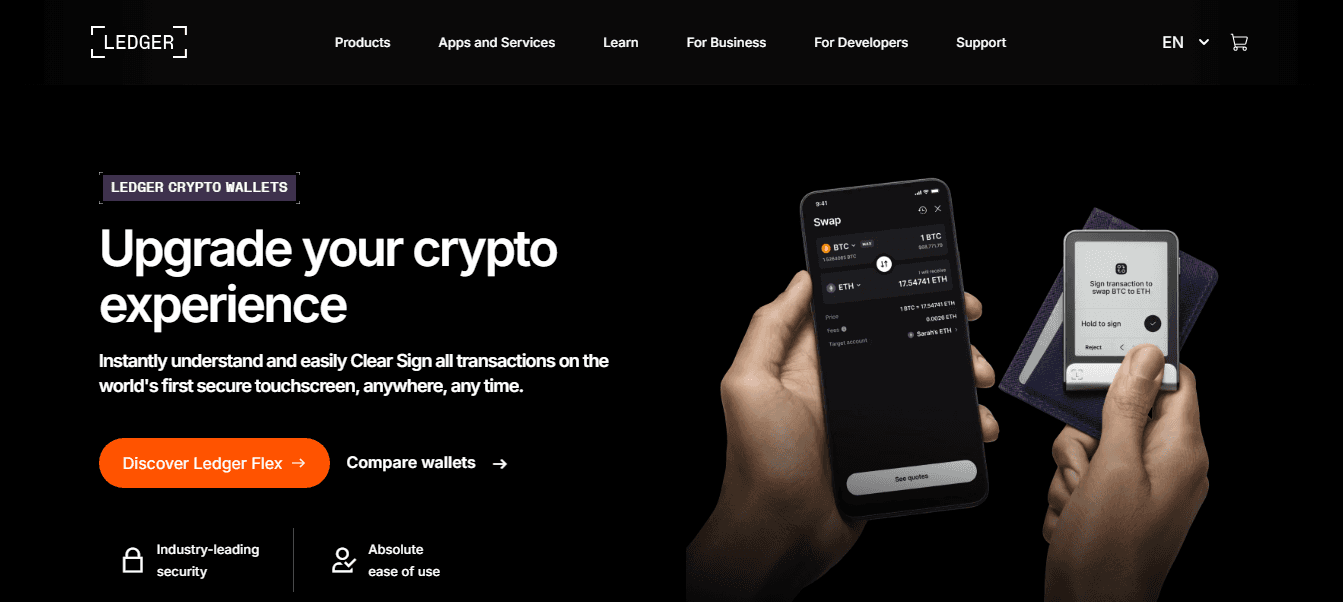
Ledger Login: A Detailed Guide to Safely Accessing Your Hardware Wallet
Cryptocurrency ownership comes with a responsibility that traditional banking systems do not require—the responsibility of securing your own assets. Among the many tools built to help users protect their digital wealth, Ledger hardware wallets stand out as some of the most secure and widely trusted options. To effectively use these devices, it’s important to understand how the Ledger login process works. Although the term “login” is commonly used, Ledger’s system is very different from typical online account access. Instead of usernames and passwords, Ledger relies on secure hardware authentication and physical confirmation steps.
This guide explains the Ledger login process from start to finish, outlines what makes it uniquely secure, and provides troubleshooting tips and best practices for maintaining the highest level of protection for your crypto assets.
Understanding What Ledger Login Really Means
When people talk about logging into Ledger, they’re typically referring to accessing Ledger Live—the desktop and mobile application that pairs with Ledger hardware wallets. Ledger Live acts as the central management interface, allowing you to view balances, organize accounts, install crypto apps, and confirm transactions.
However, Ledger Live itself is not a wallet. It does not hold your private keys, and it does not store sensitive information the way an online exchange might. Instead, the hardware device is the true wallet. It secures your private keys offline, isolated from internet exposure. This means that the idea of “login” in Ledger’s ecosystem is tied directly to connecting and unlocking your device.
The Ledger device becomes your identity. Without it, you cannot access or authorize activity in Ledger Live.
How the Ledger Login Flow Works
Logging into Ledger Live involves several steps, each designed to ensure that only the rightful owner of the hardware wallet can gain access. Here's how the process typically unfolds.
1. Opening Ledger Live
After installing Ledger Live on your computer or mobile device, you begin by launching the application. The dashboard will either prompt you to connect your device or display your portfolio after authenticating the hardware wallet.
2. Connecting the Ledger Hardware Wallet
To proceed, you must physically connect your Ledger device. Depending on the model you use, this connection may be made via USB cable or Bluetooth.
Ledger Nano S and Ledger Nano S Plus require a USB connection.
Ledger Nano X supports both USB and Bluetooth for mobile access.
This physical connection replaces the need for a traditional online login system.
3. Unlocking the Device with Your PIN
When you power on the Ledger device, it prompts you to enter the PIN code you created during setup. This PIN is essential. Without it, neither you nor anyone else can access what’s stored inside the device. Entering the wrong PIN too many times triggers a device reset—an intentional security feature designed to protect your crypto if your wallet falls into the wrong hands.
4. Authorizing Access
Once the device is unlocked, Ledger Live will detect it. From there, any sensitive action—adding accounts, sending crypto, updating firmware—requires physical confirmation on the device. Ledger devices have small screens, and you must verify each request directly on the device by pressing its physical buttons. This ensures that even if the computer or smartphone is compromised, no unauthorized transaction can occur.
Why Ledger Uses a Hardware-Based Login System
Ledger’s security model is very different from conventional online authentication. Instead of storing personal information on servers or relying on passwords that can be guessed or stolen, Ledger keeps the private keys entirely offline. This dramatically reduces the risk of hacking.
Several principles guide Ledger’s unique login system:
1. Your Keys Never Leave the Device
At no point does Ledger Live access or display your private keys. They remain locked inside the hardware wallet, even when the device is connected.
2. There Is No Central Account to Hack
Because Ledger does not use user accounts, there is no database containing personal details or wallet information. This eliminates many forms of attack that typically target online exchanges.
3. Transactions Require Physical Approval
Even if someone controls your computer remotely, they cannot move your crypto without the hardware wallet and your confirmation on its screen.
4. The Login Method Aligns with Crypto Philosophy
Crypto was built on the concept of decentralization and personal control. Ledger embraces this philosophy, making you the sole gatekeeper of your assets.
Setting Up the Device Before Your First Login
Before your first Ledger login experience, you must complete an initial setup. This process prepares the device for use and ensures that your wallet is secure from the start.
1. Unboxing and Powering On
When you turn on your Ledger device, you will be guided through instructions on its small screen.
2. Creating a PIN Code
Choose a PIN that is both strong and memorable. Anyone who has access to your device and knows the PIN can unlock it, so keep this information private.
3. Writing Down the Recovery Phrase
The device will generate a recovery phrase—often referred to as a seed phrase. This is perhaps the most important part of setup. If your device is ever lost, stolen, or reset, the recovery phrase is the only way to restore your wallet. It must be written down and stored in a secure, offline location.
4. Pairing the Device with Ledger Live
After the device setup is complete, install Ledger Live on your computer or smartphone. The app will prompt you to connect the device and begin adding accounts.
Once these steps are finished, you will repeat the connection and PIN-entry process each time you want to access your crypto.
Troubleshooting Ledger Login Issues
Although Ledger systems are designed for smooth performance, there are occasional issues users may encounter when attempting to log in. Fortunately, most are easy to resolve.
Device Not Recognized
Ledger Live may not detect your device for several reasons:
Outdated app or firmware
Damaged USB cable
Disabled device permissions
Issues with USB ports or Bluetooth pairing
Updating software and restarting the device usually fixes the issue.
Repeated PIN Errors
If you enter the incorrect PIN multiple times, the device will reset. You must use your recovery phrase to restore access. This is why protecting the phrase is vital.
Ledger Live Freezing or Failing to Load
Temporary glitches may cause the app to lag or freeze. Restarting it, clearing the cache, or reinstalling the application often resolves the problem.
Bluetooth Connectivity Problems
For Ledger Nano X users, ensure Bluetooth is enabled and the device is held close to your phone. If pairing issues occur, resetting the Bluetooth connection typically helps.
Best Practices for a Safe Ledger Login Experience
Using Ledger already provides a strong foundation for security, but additional best practices help maximize protection.
1. Protect Your Recovery Phrase
Never store it digitally or share it with anyone. No legitimate service—including Ledger—will ever ask for it.
2. Keep Software and Firmware Updated
Security patches and improvements are released regularly. Keeping everything updated ensures you always have the latest safeguards.
3. Avoid Untrustworthy Devices
Do not connect your Ledger to public or unfamiliar computers, as they may contain malware.
4. Double-Check Every Transaction
The Ledger device displays all transaction details on its secure screen. Always confirm that everything matches before approving.
5. Beware of Phishing Attempts
Always interact with official applications only. Fake apps and websites are common attack methods against cryptocurrency holders.
Why Ledger Login Is Ideal for Every Level of Crypto User
Whether you’re a first-time crypto owner or a seasoned investor managing a diverse portfolio, Ledger’s login system offers unmatched peace of mind. Beginners benefit from its straightforward, foolproof process, while advanced users appreciate the layered security that protects high-value assets.
No matter how much crypto you hold, Ledger ensures that you—and only you—control access to your funds. With each login requiring a physical device, secure PIN, and manual confirmation, Ledger eliminates vulnerabilities that plague online wallets and centralized exchanges.
Conclusion
The Ledger login process is more than just a way to access your crypto—it’s a sophisticated security mechanism designed to safeguard your digital wealth. By combining a hardware wallet, PIN protection, offline key storage, and physical confirmation steps, Ledger ensures that users remain in full control of their assets at all times. Understanding this system is essential for anyone committed to protecting their cryptocurrency.
With the right knowledge, secure habits, and consistent updates, you can confidently use Ledger as your primary tool for managing and securing your digital assets.